
Last week, we wrapped up Simpact3 — a two-day immersive business simulation for one of our clients. This workshop is one of the most engaging and personally challenging components of our 10-month leadership development program.
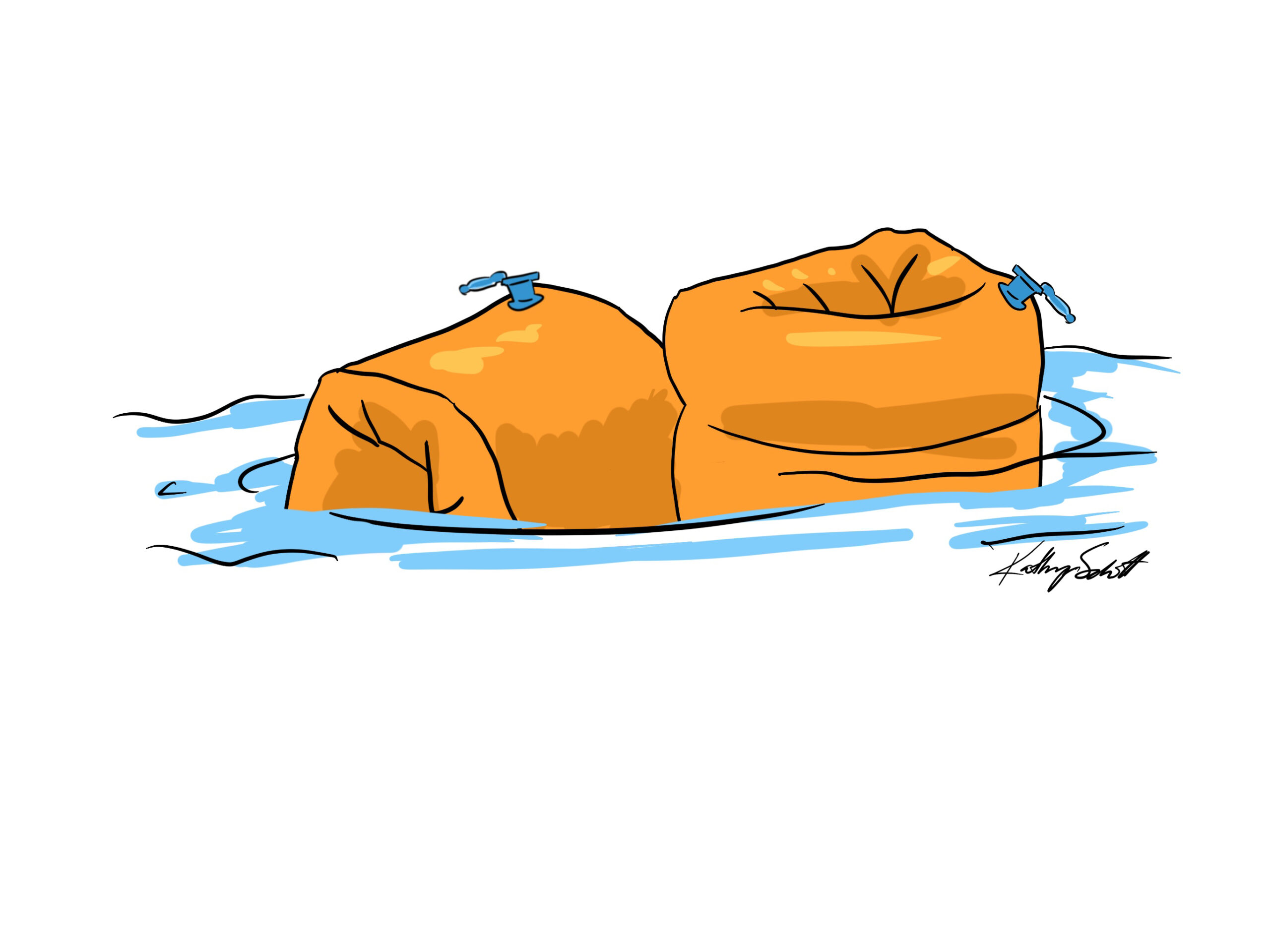
The first day always feels the same: like I’m shoving a group of kids into a pool without any floaties.
I always have the urge, as many leaders do, to play lifeguard — the hero — and assist. But I don’t. One, because I know they’ve all been taught to swim. And two, pulling them out would completely defeat the purpose, which is to sit in the tension of not knowing.

Seasoned leaders know how to manage themselves in moments of uncertainty. The ground is constantly shifting beneath their feet — AI transformation, geopolitical instability, climate change, tariffs, supply chain disruption, economic uncertainty — and Simpact3 is designed to mirror that reality.
It works like this: at the start, I hand two dozen or so highly intelligent people a company on the brink of failure and ask them to turn it around.
They self-divide into three divisions (blue, green, purple) and sort themselves into roles: manufacturing, engineering, marketing. A few brave souls elect to be the VPs. The structure mimics a real corporation — each role and each division has to build and sell different products. At the end of every cycle (or fiscal year), they report up the chain while the VPs tally the profits.
Here’s the catch: the company they’ve inherited isn’t a blank slate. It’s producing okay-ish products, has a few customers on the books, and a handful of product designs that may or may not actually work. The marketing team knows a little about what customers want. Eventually everyone figures out that the previous stewards were, let’s say, haphazard in their approach.
I tell everyone they have six cycles to make the company profitable.
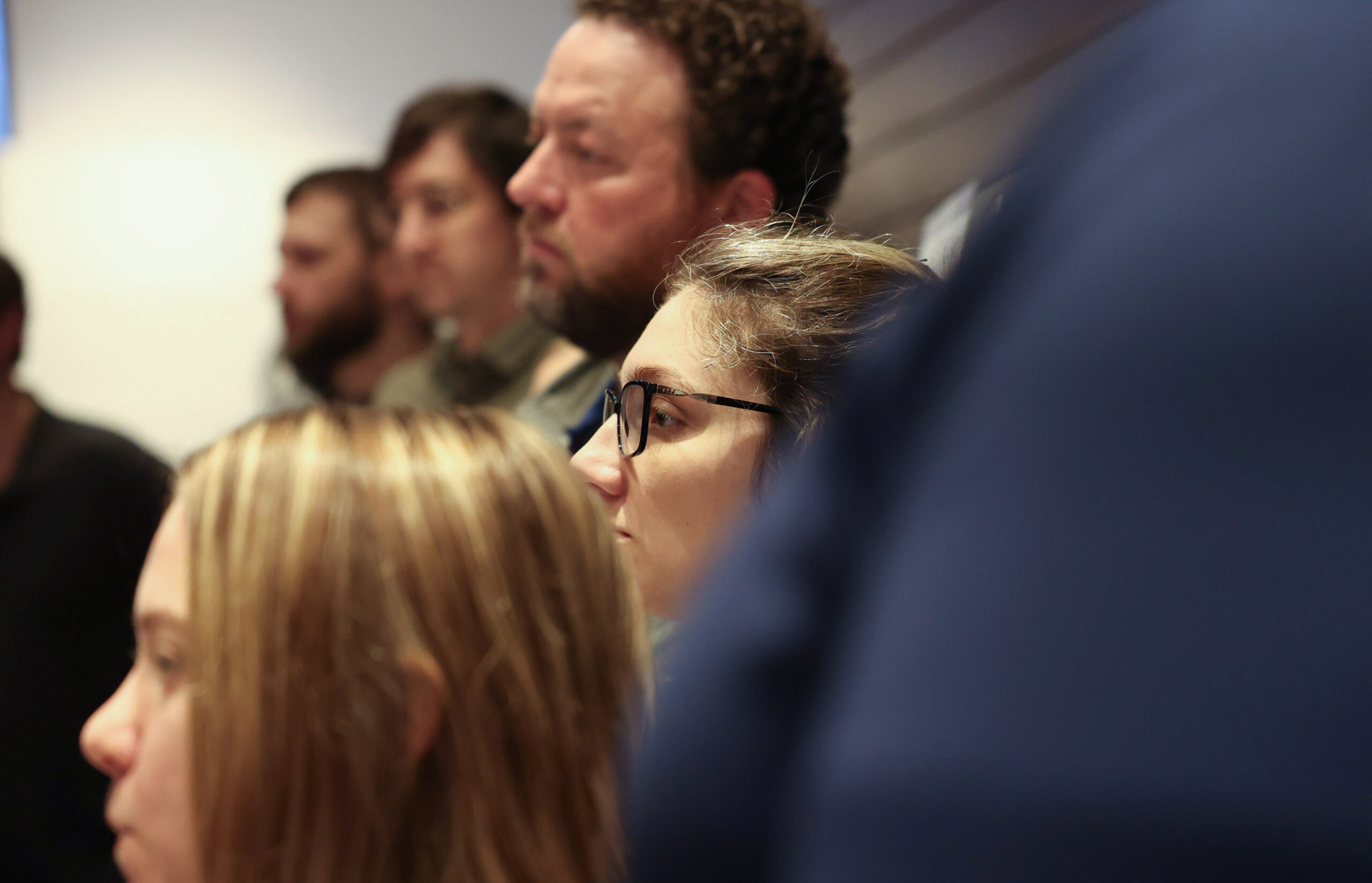
Chaos invariably ensues.
The end of the first cycle is usually a little miserable. The company is in worse shape than when they found it. A new product didn’t work, quality slipped somewhere, the marketing team wildly misjudged public demand, and nothing gets sold.
The VPs tally the yearly profits — or lack thereof — and everyone comes together for the company meeting. Almost nobody remembers it’s a game. And without fail, it is uncomfortable.

This is when the simulation becomes most valuable. During these moments, the company culture begins to emerge — and I can see clearly how participants react under high stress and conflict.
Do they shut down and withdraw? Do they fight with one another? Do they try to control more? Do they blame their colleagues for production problems? Or are they able to effectively diagnose what went wrong, learn from it, and cohesively make changes?
Spoiler: it is almost never the last one.
After the meeting concludes, I don’t point out their mistakes. I don’t give answers about how they could improve. Instead, I ask questions about their process and decision-making. Why did they choose certain paths? Where are they lacking the courage to speak up and lead?

The game continues. By the end of the day they make it through two more cycles. They’re just getting their footing — things are just beginning to turn around.
Which is exactly when we make it harder.
Day 2 next.
For those of you who have participated in the Simpact3 Simulation — how did we do describing your first day experience? What would you add that we missed?
Executive coach, leadership developer, and founder of Impact3 Leadership. For 25+ years, Barbara has helped organizations discover what’s holding their people back — and unlock what’s possible when they don’t.
More about Barbara →